
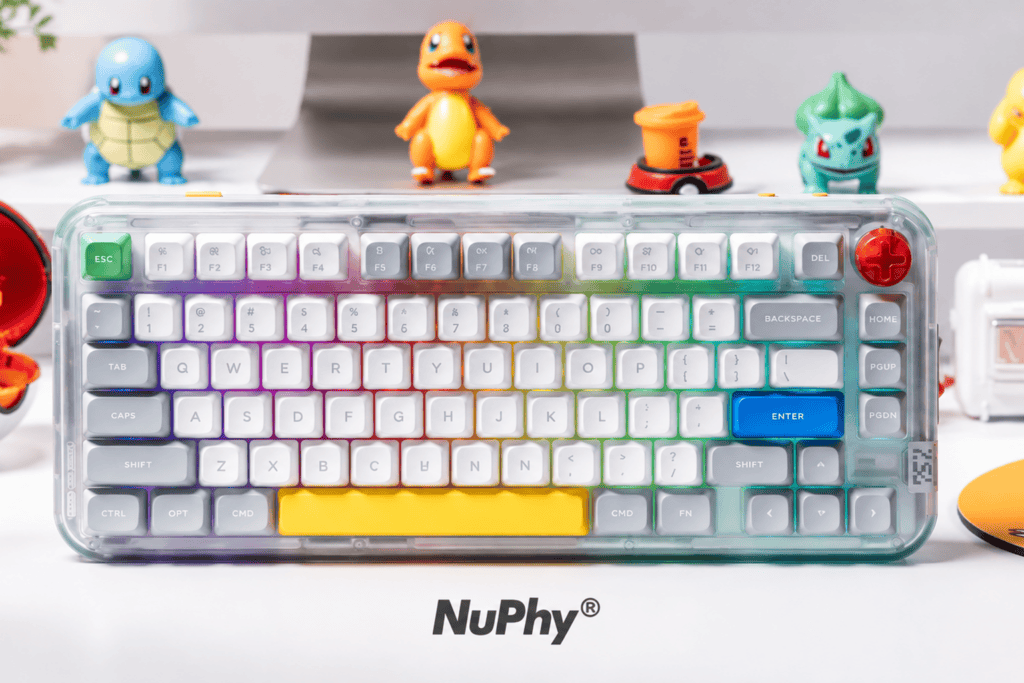
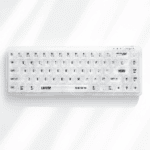
If you type all day and game at night, you have probably faced the same dilemma: do you buy a slim low-profile board for comfort, or a tall mechanical board for feel? The NuPhy Kick75 tries to answer both with one keyboard that supports low-profile and full-height forms. This review looks at how each form feels, what switching really costs, and who benefits. You can check the NuPhy Kick75 product page for current specs and options while you read.
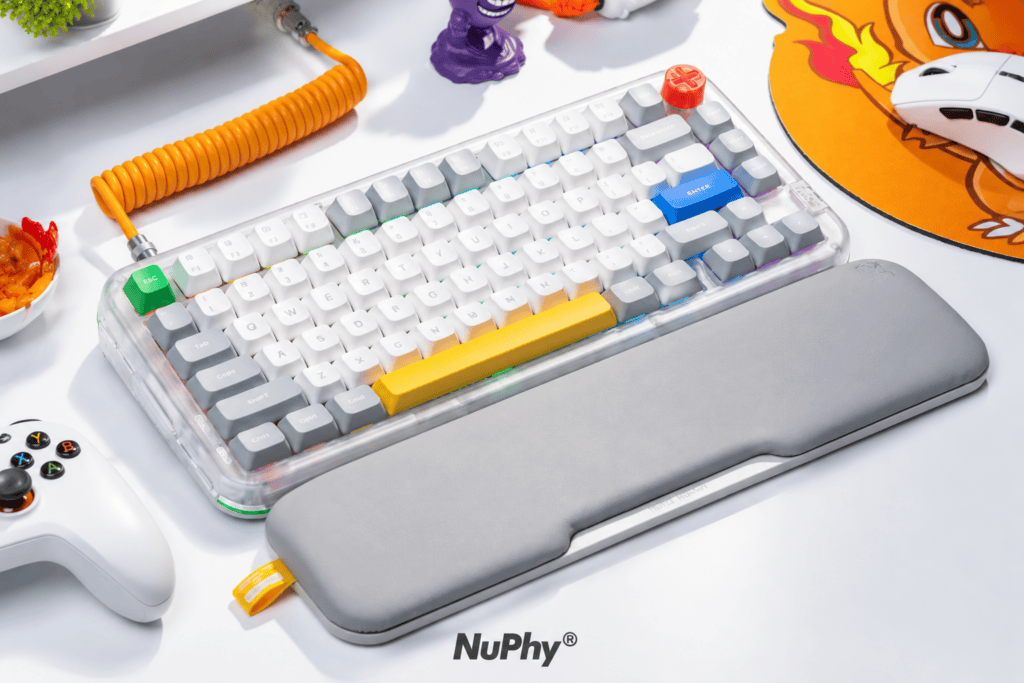
The “Split Setup” Problem: Why Office and Gaming Keyboards Don’t Mix
Low-profile keyboards are built for comfort. They have short travel and a low front height, so your wrists rest flat. That is great for long writing or coding sessions. The trade-off is feel: many low-profile boards seem thin, trigger very fast, and lack the “bottom-out” confirmation gamers like.
Full-height mechanical keyboards are the opposite. They offer a solid, clear feel and are the usual choice for gaming. But typing on them for hours means a steeper wrist angle, and fatigue arrives sooner.
So many people end up with two keyboards, two logics, and two desks.
The Kick75 pitches a different idea: a hybrid design that supports both heights on the same board. The real question is whether “seamless switching” is a convenience or a hidden project. We answer it across four angles: low-profile feel, full-height feel, the real cost of switching, and who it actually helps.
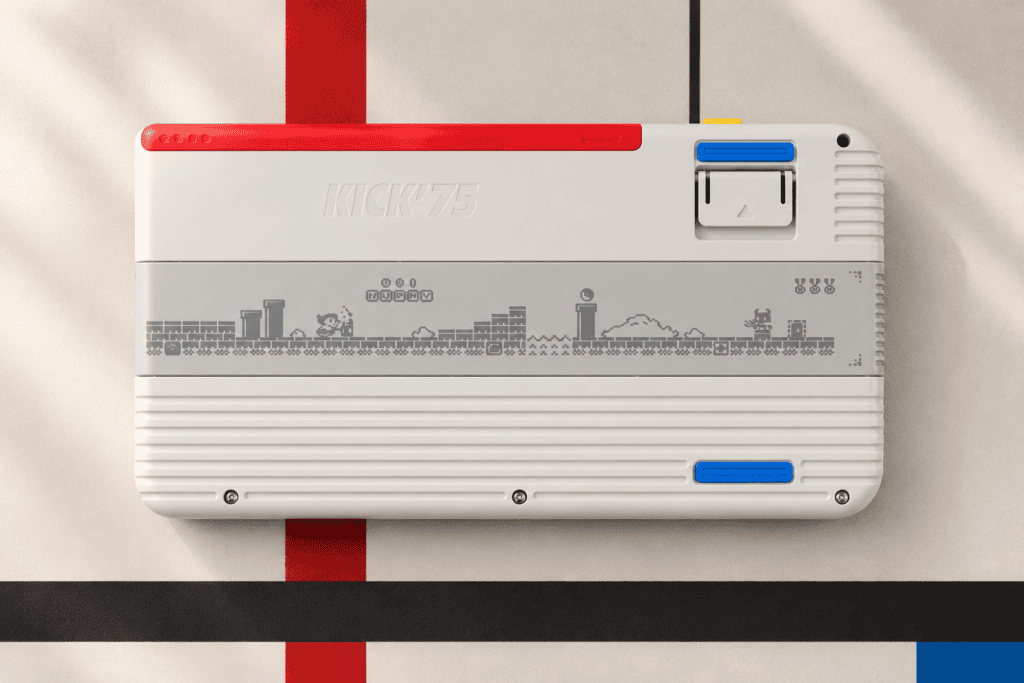
Low-Profile Mode: Built for Wrist-Friendly Typing
Nano Switch Feel: Short, Fast, and Lively
The Kick75’s low-profile form uses Nano switches, developed with Gateron. They have a 3.5 mm total travel, which is on the longer side for low-profile switches.
In daily use, typing is quick and rhythmic. Some users describe it as a rapid “machine-gun” patter. That suits high-frequency input like coding, chat, and long documents.
Compared with NuPhy’s Air-series low-profile boards, the Kick75 feels more solid. Some Air users say typing can feel a little hollow. On the Kick75, the gasket structure and multi-layer dampening noticeably improve both the sound and the bottom-out feedback. A light actuation force of around 35 gf and the short travel also keep finger fatigue lower than on a traditional tall switch.
Wrist Comfort: The Real Selling Point
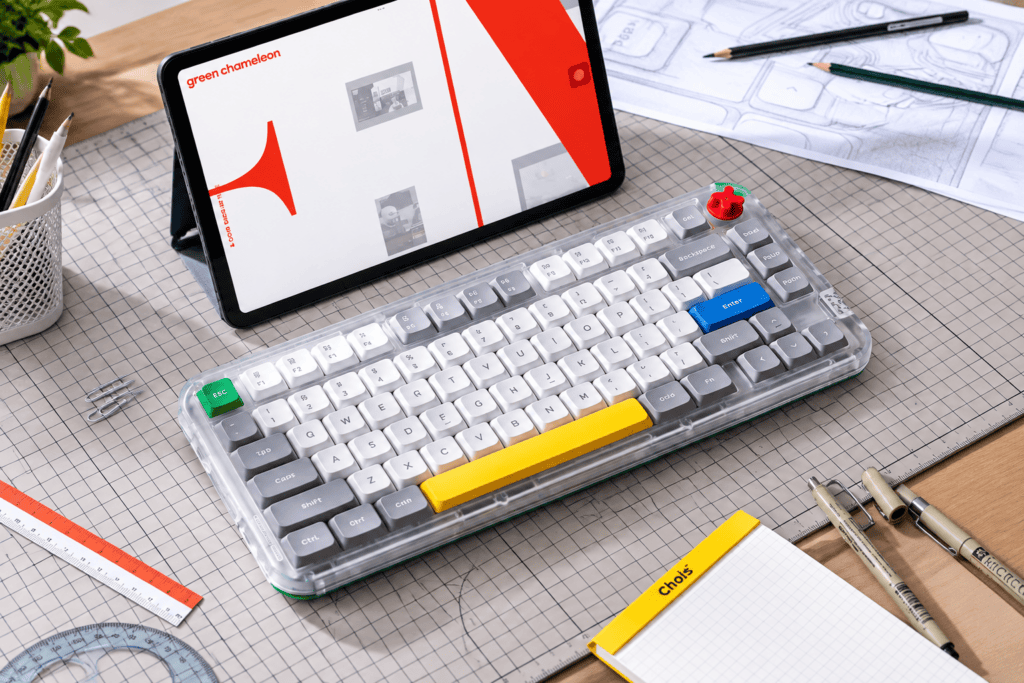
With a lower front height, your wrists can rest naturally on the desk or a wrist rest without bending upward. For writers, programmers, and office users, this is a necessity rather than a luxury. Paired with NuPhy’s wrist rest, the posture gets close to a neutral wrist position, which is the goal of ergonomic design.
Who Should Choose Low-Profile Mode?
- Writers and developers who type for hours and put comfort first.
- Small-desk users who want a thinner, lighter-looking board.
- Laptop keyboard converts who want a short-travel feel and a small learning curve.
The trade-off: if you crave a deep, confirmed “bottom-out,” low-profile travel can feel like it ends too soon.
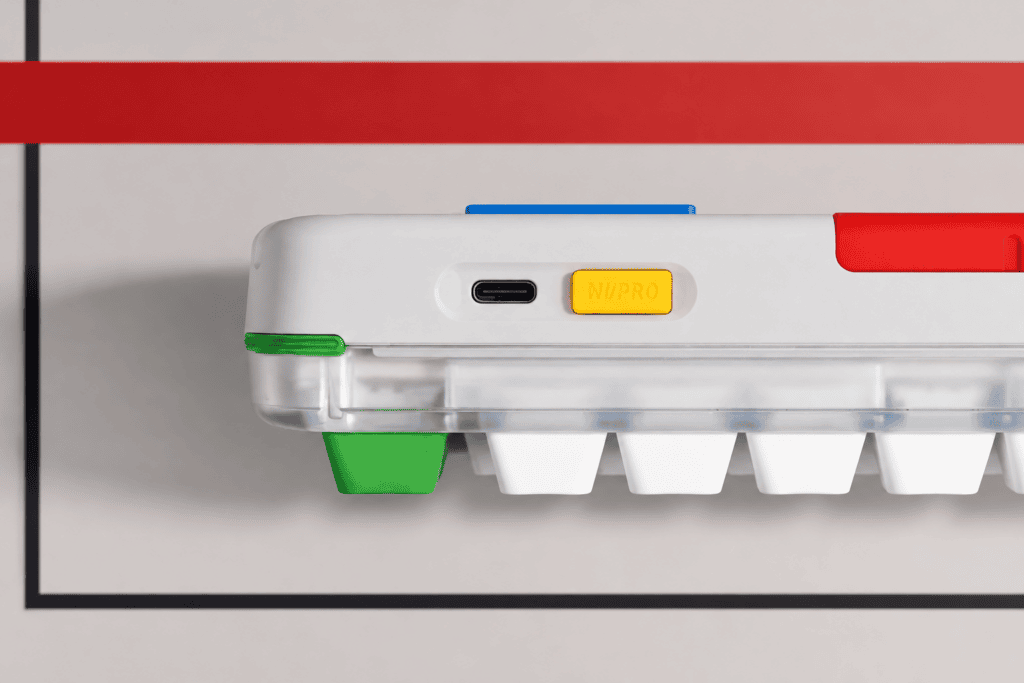
Full-Height Mode: Built for Feedback and Gaming
Max Switch Feel: Strong Return, Deeper Travel
The full-height form uses Max switches made with LY material, which is stiffer than POM or PC. The result is less stem wobble and a clearer sense of layers in each keypress.
The feel is often described as having a strong rebound, which suits heavy-handed typists. Combined with the gasket mount, you get a satisfying “snap plus cushion.” The deeper travel gives every press more room, which helps with skill inputs in games and gives typing a rhythm closer to a traditional mechanical board.
Sound Profile: More “Mechanical”
Full-height mode sounds deeper and fuller. Users describe it as more “mechanical,” while low-profile mode sounds crisper and sharper. The gasket structure and five layers of dampening work harder here, suppressing cavity noise and leaving a clean, compact bottom-out. If you like thocky or “marble-like” sounds, full-height mode clearly outperforms low-profile.
Who Should Choose Full-Height Mode?
- Gamers who want firm bottom-out feedback.
- Traditional mechanical keyboard users who don’t want to change their habits.
- Tinkerers, since full-height keycap and switch ecosystems are far richer than low-profile ones.
Note: a taller board means a higher front edge, so a wrist rest is strongly recommended to avoid wrist strain.
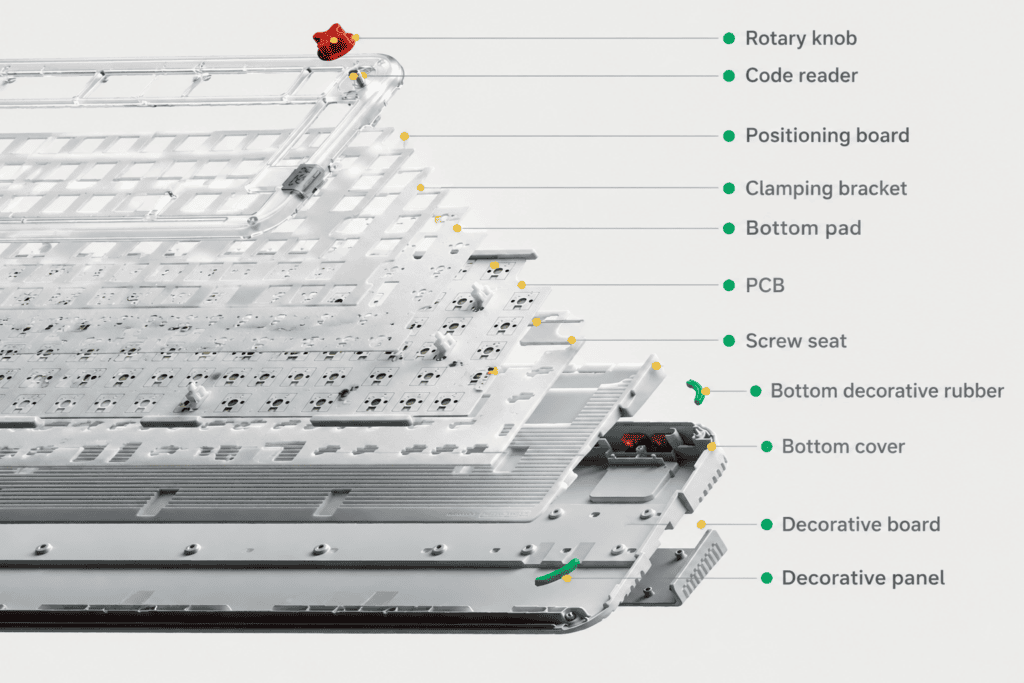
The Real Cost of Switching Between Heights
This is the part marketing glosses over. “Seamless switching” sounds like pulling out switches and plugging in new ones. In reality, it is closer to a small rebuild.
It’s a Rebuild, Not a Hot-Swap
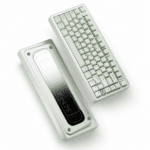
Changing between forms requires at least swapping the top case. According to the conversion kit’s contents, you also need to replace the plate dampening foam and switch spacers. Going from tall to low-profile also means replacing the knob cover.
One hands-on user summed it up: switching means taking apart a pile of parts and installing another set. If you plan to change forms often, this is not a one-click feature.
The Conversion Kit Costs Extra
Conversion kits are sold separately. In some regions, pricing is around NT$990 (roughly US$30, or about ¥200). If you buy only one version, you only get one world. Unlocking the other takes extra money, time, and patience.
Consistency Risks After Switching
Each teardown adds a chance of assembly variation across the top case, foam, and spacers. Some community members have also raised material concerns: the top and bottom cases are all PC plastic, which feels less premium than the semi-metal bodies of the Air and Halo series.
There are no widespread reports of wobble or inconsistent feel after switching. Still, a rebuilt board is no longer in its factory state, and its feel and sound may differ slightly from your first unboxing.
So What Does “Seamless” Really Mean?
It is better described as dual-form compatibility than instant switching. NuPhy built a hardware platform where the same PCB and base can support both forms with swapped structural parts. For most people, switching works as a one-time form choice, not a daily toggle.
| Scenario | What Switching Means | Realistic Expectation |
|---|---|---|
| Bought full-height | Optional low-profile conversion | You’ll likely stay full-height |
| Bought low-profile | Optional full-height conversion | A “maybe later” upgrade |
| Want frequent changes | Repeated teardown | Possible, but a hobbyist workflow |
In short, the switch is real, but it is a project, not a button.
Verdict: Genuinely Useful or Overhyped?
When the Kick75 Is Genuinely Useful
- You want to explore without buying twice. If you’re willing to spend time and money on a kit, it’s a low-cost way to try both feels.
- You’re unsure which height suits you. Buy one form first, and the kit acts as a safety net.
- You like the Kick75’s design and gasket structure. Either form delivers a more solid sound and feel than a typical low-profile board.
When It Edges Toward Overhyped
- You expect one-click switching. It requires hands-on work.
- You want plug-and-play. If you won’t open the board or buy a kit, you’ll only ever use one form.
- You want premium metal construction. The PC case is a clear trade-off against Air and Halo.
Final Takeaway
The Kick75’s dual-height design is not an instant toggle. It is a hidden form you unlock with effort and cost. Its real value is that you don’t need a second keyboard to try another feel. For tinkerers, that is a sincere and practical offer. For convenience seekers, it may be a nice-sounding feature they never use.
It solves the “split setup” problem by expanding your choices, not by delivering instant switching. To compare configurations and see what’s available, visit the NuPhy Kick75 page.
 English
 German
 Portuguese
 Spanish
 Italian
 Finnish
 French
 Japanese
 Korean
 Swedish