
Have you ever thought about the fact that your mouse pad has an expiration date?
Not the kind where it suddenly breaks — but a feel expiration date. A cloth pad, under heavy use, starts changing after just 2 to 5 months. The surface fibers flatten, compress, and mat down, and with them go the glide and control you paid for. Premium esports cloth pads — the kind celebrated for their feel — often degrade even faster, which makes the loss sting all the more.
In other words, that “feel” you spent good money on is quietly decaying, day by day. So you buy a new one. Then another. The mouse pad has become a consumable.
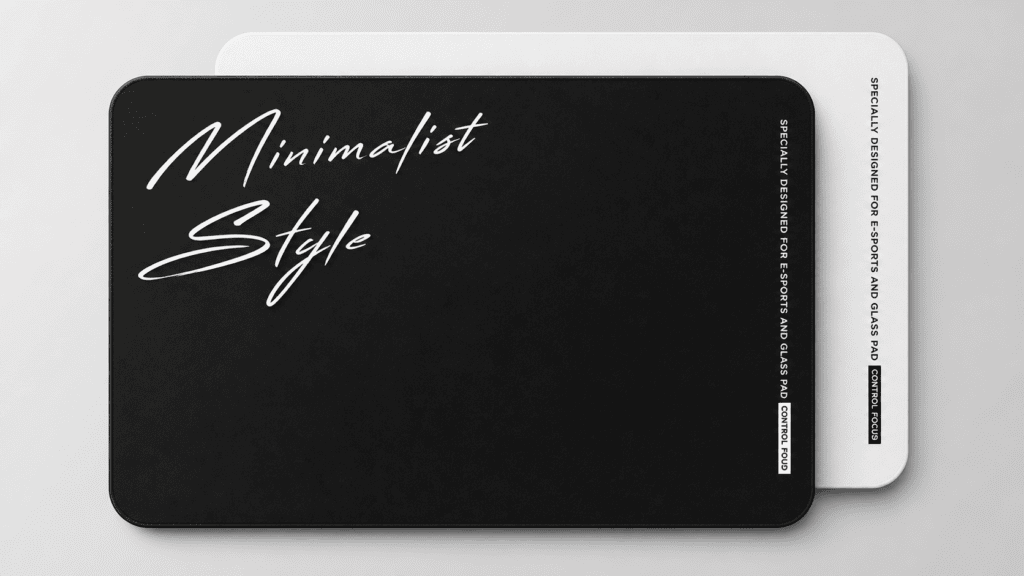
But a growing number of players are stepping off that treadmill entirely — by choosing a single sheet of glass. Let’s unpack why.
The Hidden Truth: Cloth Pads Die Faster Than You Think
The problem with cloth pads lives in the material itself.
A fabric surface is made of countless tiny fibers. As your mouse feet slide across them day after day, those fibers get crushed, snapped, and tangled. Add in the slow seepage of sweat, skin oils, and dust, and the coefficient of friction keeps shifting. The pad you play on today is, quite literally, not the same pad you bought three months ago.
Environment Makes It Worse
Temperature and humidity pile on top of the wear problem:
- Humid seasons — the pad absorbs moisture and the surface turns sluggish and sticky.
- Dry winters — it slides faster and feels less controlled.
- Daily inconsistency — you never quite know if today’s feel is “right.”
A cloth pad’s golden window usually lasts only a few months. After that, you’re getting by on a pad whose feel has already drifted. Then you replace it, get by again, and replace it once more. Round and round.
What you’re really buying isn’t a mouse pad — it’s a lifestyle of constant replacement.
The Glass Logic: Buy Once, Use Almost Forever
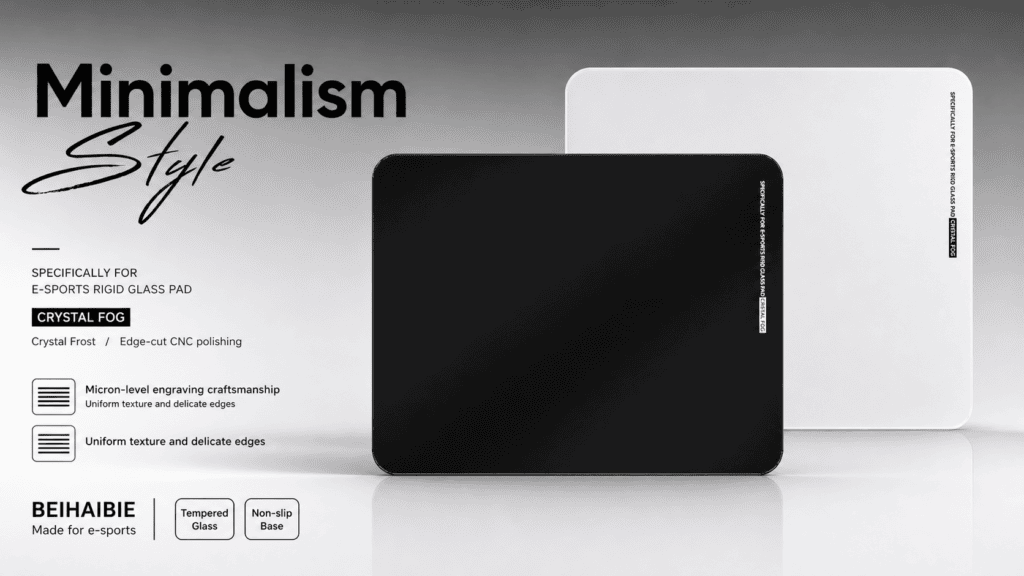
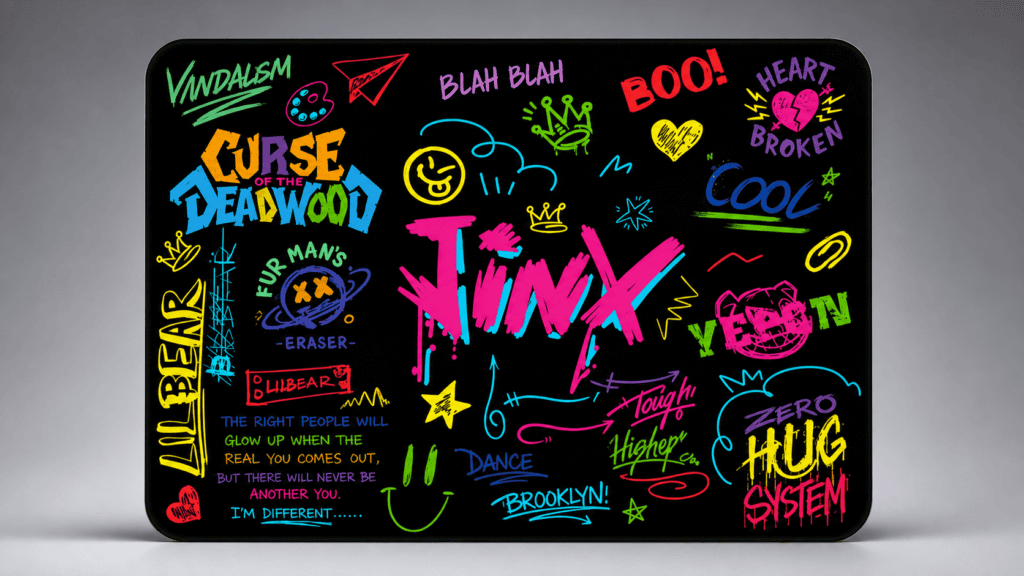
The HEK Frosted Glass Gaming Mouse Pad operates on completely different logic.
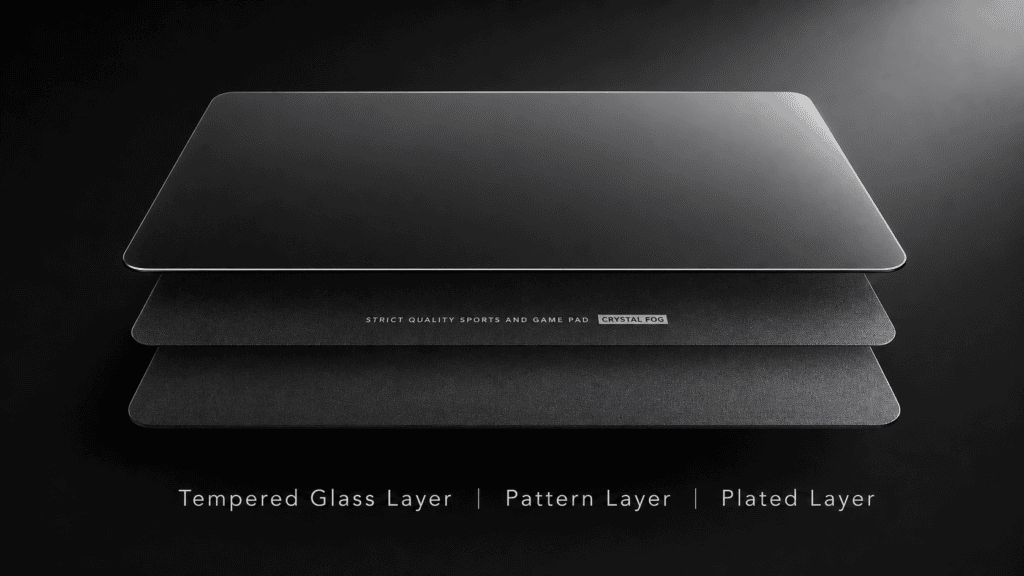
It’s built from fully tempered aluminosilicate glass with a Mohs hardness above 7H. To put that in perspective: everyday metal knives sit around 5H. A 7H+ surface means your mouse feet simply cannot wear it down.
It’s Etched, Not Coated
The 2-micron micro-etched texture is engraved directly into the glass — not applied as a coating.
That distinction matters more than it sounds:
- Coatings are destined to wear, peel, and lose their feel over time.
- Etched glass texture is part of the body of the pad itself, so it virtually never smooths out.
Some reviewers describe the lifespan as “practically infinite.” One even joked you could keep using it “until the oceans dry up and the rocks melt in the sun.”
Put more conservatively: a glass pad can run three to five years and still feel brand new. In that same stretch of time, you might have burned through five or six cloth pads. Its core advantage is simple — one investment, long-term use.
The Trade-Off: Glass Has Its Price Too
Let’s be honest, because no product is perfect. A glass pad doesn’t eliminate wear — it relocates it.
Faster Feet Wear
A hard surface wears down PTFE mouse feet roughly 2 to 3 times faster than cloth. That means you’ll swap feet more often.
So the real shift looks like this:
| Factor | Cloth Pad | Glass Pad |
|---|---|---|
| Pad lifespan | 2–5 months of good feel | 3–5+ years, feel stays consistent |
| Recurring cost | New pads, repeatedly | New mouse feet (skates) |
| Cost per swap | Higher | Much lower |
| Effort per swap | Easy | Slightly more fiddly |
| Winter feel | Neutral | Cool to the touch |
The takeaway from the table: replacing feet is cheaper than replacing pads, but it’s a touch more hassle. That’s the honest bargain.
Other Real Considerations
- Cool in winter. Glass runs colder to the touch. Some users pair it with a gaming sleeve to stay comfortable.
- A slightly different feel. The switch from soft fabric to hard glass takes a short adjustment period.
There’s no flawless choice here — only the price you’re willing to carry.
A Quiet Thought About Consumerism
Let’s return to the opening question: is a mouse pad a consumable?
The cloth pad says yes. It’s designed to be used for a while and then replaced, and manufacturers are perfectly happy to see you buy again. That fits the core rhythm of consumerism — give the product a lifespan, and give consumption a beat.
The glass pad says no. It’s designed to stay with you for years. The maker earns your money once, and then you don’t come back. It sounds unfriendly to the seller — but for the buyer, it’s quietly anti-consumerist.
In an era that nudges us to upgrade every year, buying something that simply won’t wear out is a small act of clarity against the current.
The HEK Frosted Glass Gaming Mouse Pad offers you a genuine fork in the road:
- Keep cycling through a fresh cloth pad every few months, or
- Pay once, and simply forget about it.
The last stop for the mouse pad might really be a single sheet of glass.
Key Takeaways
- Cloth pads have a short “feel lifespan” — 2 to 5 months before glide and control drift.
- Glass pads are built to last years, thanks to 7H+ tempered glass and directly etched texture that resists wear.
- The trade-off is faster mouse-feet wear and a cooler winter feel — a lower recurring cost in exchange for slightly more upkeep.
- It’s a shift in philosophy: from constant replacement to a single, lasting investment.
If you’re tired of buying the same “feel” over and over, the HEK Frosted Glass Gaming Mouse Pad is where that cycle finally ends.
 English
  German
  Portuguese
  Spanish
  Italian
  Finnish
  French
  Japanese
  Korean
  Swedish