
Introduction : L'éternel débat “ Est-ce rapide ou lent ? ”
“ Ce tapis de souris est-il rapide ? ”
C'est l'une des questions les plus fréquemment posées — et les plus difficiles à répondre — dans le monde des périphériques. Un joueur qualifie une manette de “ d'une fluidité exceptionnelle ”, tandis qu'un autre la trouve… exactement le même tapis “ Trop lent pour se déplacer. ” Certains joueurs trouvent le SteelSeries QcK suffisamment rapide ; d’autres estiment qu’il adhère tellement qu’ils peuvent à peine glisser leur doigt.
Il en va de même. glisser une grandeur physique objective ou une sensation purement personnelle ?
La réponse est : les deux. Le glissement possède une définition physique claire et des méthodes mesurables, mais comment… on a l'impression que Cela dépend de l'effet combiné des patins de votre souris, du capteur, du matériau de la surface et même de l'humidité ambiante. Cet article vous explique comment la glisse d'un tapis de souris est mesurée, en passant d'une simple impression à des données concrètes.
Partie 1 : La physique du glissement — Quel est le coefficient de frottement ?
Le coefficient de frottement Il s'agit de la grandeur physique principale utilisée pour quantifier la glisse du tapis de souris. En termes simples, elle mesure la résistance rencontrée par la souris lorsqu'elle glisse sur la surface du tapis.
Il en existe deux types :
- Coefficient de frottement statique (μs) : Mesure la force nécessaire pour mettre un objet en mouvement à partir du repos. Sur un tapis de souris, elle détermine l'effort requis pour le premier mouvement de la souris.
- Coefficient de frottement cinétique (μk) : Mesure la résistance lors d'un glissement régulier. Elle détermine la fluidité perçue des mouvements continus de la souris.
La méthode de mesure est simple : placez une souris (ou un curseur simulant les patins d’une souris) sur le tapis, appliquez une force normale donnée et enregistrez la force nécessaire pour les faire se déplacer l’un par rapport à l’autre. La formule de base est la même que celle apprise en physique au collège :
f=μ×N
Où f est la force de frottement, μ est le coefficient de frottement, et N est la force normale. Cette équation constitue le fondement théorique de chaque Test de glisse du tapis de souris.
Les laboratoires professionnels utilisent des testeurs de friction conformes aux normes internationales telles que : ASTM D1894 et ISO 8295. L'instrument effectue plusieurs passages sur la même pastille et calcule la moyenne des résultats. Plus la valeur est basse, plus la surface est rapide (glissante).
Point clé : Le coefficient de frottement n'est jamais un nombre fixe, c'est un “ paramètre apparié ” cela dépend du surface du coussinet + matériau du patin combinaison. La même plaque de verre mesurée avec des patins en téflon et avec des patins en céramique donne des valeurs complètement différentes. C'est le exactement Pourquoi une personne dit “ rapide ” et une autre “ lent ” ? Parce qu'elles utilisent des souris différentes.
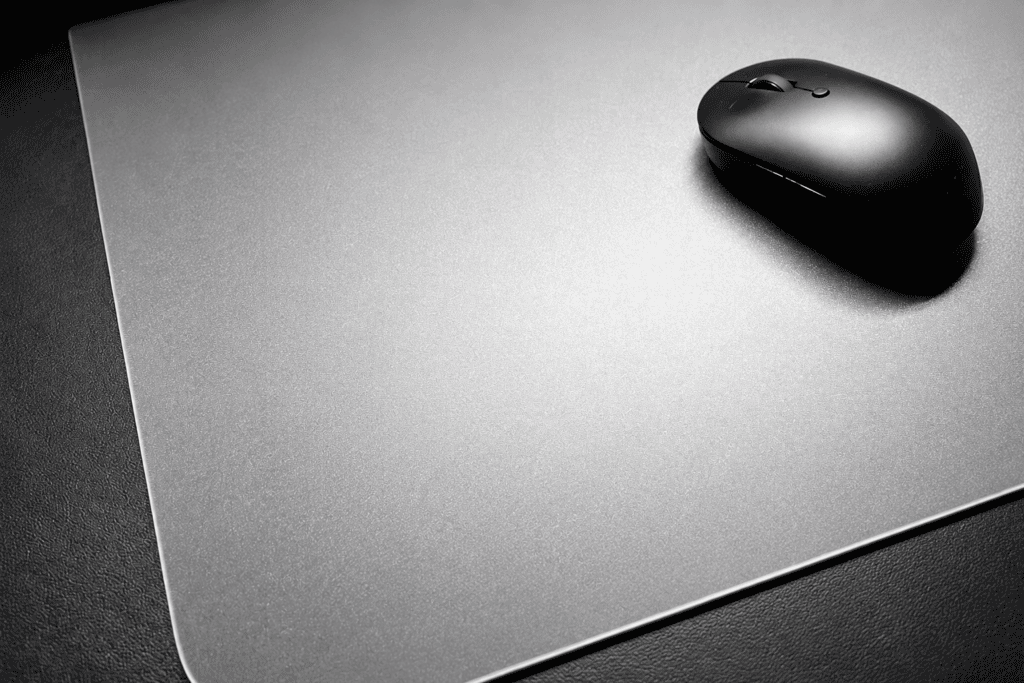
Partie 2 : Rugosité de surface — Le champ de bataille microscopique entre “ glissement ” et “ contrôle ”
D'où provient le frottement ? Rugosité de surface.
La surface d'un tapis de souris n'est jamais parfaitement plane. Au microscope, un tapis en tissu ressemble à une jungle de fibres innombrables, tandis qu'un tapis en verre évoque des collines ondulantes de micro-bosses. Ces microstructures déterminent… zone de contact réelle entre les patins de la souris et le tapis.
La rugosité de surface est mesurée par Valeur Ra (rugosité moyenne arithmétique)— l’écart moyen du profil de surface par rapport à sa hauteur moyenne. Un Ra élevé indique une surface plus rugueuse ; un Ra faible indique une surface plus lisse.
Les tapis de souris en verre ont généralement une valeur Ra comprise entre 1,5–8 μm. Les premiers tapis de souris en verre visaient une extrême régularité (Ra ultra-faible), mais le résultat était des souris qui “ flottaient ” de manière incontrôlable. L'industrie a alors découvert une vérité contre-intuitive : Une rugosité modérée diminue en réalité le coefficient de frottement effectif. La microtexturation réduit la surface de contact réelle entre les patins et la surface, ce qui rend la glisse plus fluide tout en fournissant juste assez d'amortissement pour éviter toute perte de contrôle.
Voilà l'essence même de ce que signifie “ fluide mais contrôlable ”.”
Point clé : La rugosité ne signifie pas que “ plus lisse est toujours mieux ” — il s'agit de trouver le juste milieu entre glisser et contrôle. Les joueurs professionnels de FPS souhaitent généralement que le coefficient de frottement cinétique reste stable. 0.08–0.12 Plage de réglage : suffisamment fine pour des micro-ajustements, suffisamment linéaire pour des tirs rapides et amples.
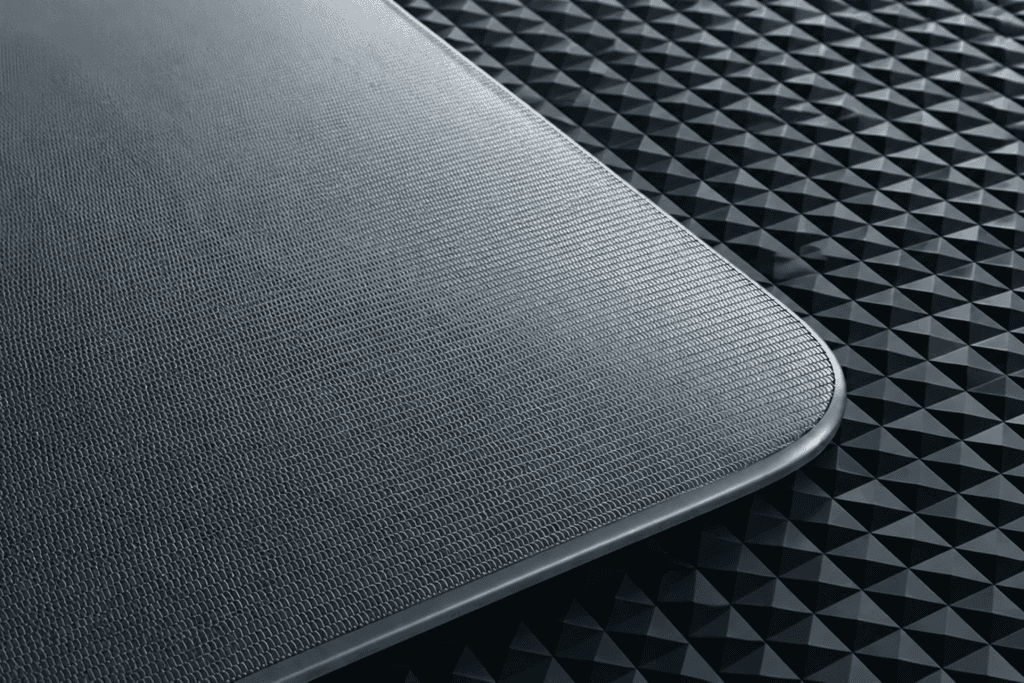
Partie 3 : Microgravure vs. Verre photovoltaïque — Deux procédés, un objectif
La glisse d'un tapis de souris en verre est largement déterminée par son procédé de traitement de surface.
Microgravure : Texture intégrée au verre
La micro-gravure utilise un agent de gravure chimique pour former une texture microscopique directement sur la surface du verre. Cette texture est une partie intégrante du verre lui-même, et non un revêtement ajouté.. Les revêtements s'usent ; la texture gravée, elle, reste intacte. C'est la raison fondamentale pour laquelle une tablette en verre conserve la même sensation pendant des années.“
La profondeur de gravure courante est 1,5–2,0 μm, correspondant à une valeur Ra d'environ 1,5–2,0 μm. Cette précision est idéale : trop superficielle, elle manque de “ contrôle ”, trop profonde, elle perd en “ fluidité ”.”
Verre photovoltaïque : une technologie empruntée aux panneaux solaires
L'autre voie de fabrication est verre photovoltaïque. Initialement développée pour les cellules solaires, sa surface subit un traitement antireflet et une texturation spéciaux qui préservent une transmission lumineuse élevée tout en offrant une rugosité microscopique uniforme. Appliquée à un tapis de souris, cette technique donne une surface qui est lisse, légèrement réfléchissant et très homogène pour le suivi des capteurs.
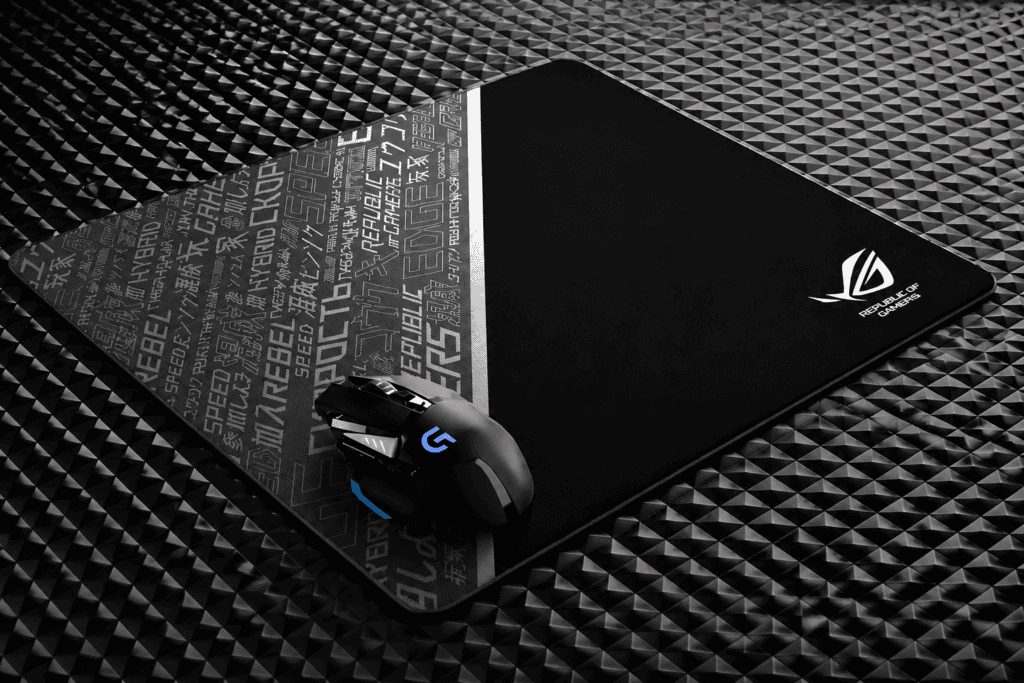
Le Tapis de souris photovoltaïque en verre trempé HEK AT-BL1 est un exemple phare de cette voie technologique. Fabriqué en verre trempé photovoltaïque avec une surface spécialement traitée, il offre à la fois glisse rapide et suivi cohérent. Son ultra-mince 3,2 mm body disponible en quatre tailles allant de 250×250 mm à 450×400 mm, Il existe également une version transparente et plusieurs modèles imprimés (AT-151 à AT-818). Que vous réalisiez des mouvements rapides pour des jeux FPS ou des tâches bureautiques précises au quotidien, vous trouverez la taille qui vous convient. Comparée aux tapis de souris en tissu traditionnels, la surface en verre dur offre une friction réduite et ne se dégrade pas avec le temps, contrairement aux tapis en tissu qui s'aplatissent et s'emmêlent.
Voici un guide rapide des principales caractéristiques d'un tapis de souris en verre haut de gamme :
| Paramètre | Spécifications typiques | Pourquoi c'est important |
|---|---|---|
| Traitement de surface | Texture micro-gravée / photovoltaïque | Établit l'équilibre entre glisse et contrôle |
| Dureté de Mohs | 7H–9H (verre trempé) | Résistance aux rayures et à l'usure |
| Épaisseur | ~3,2 mm | Ultra-mince, encombrement minimal sur le bureau |
| Options de taille | Compact portable → grand bureau | Couvre les jeux FPS et l'utilisation bureautique |
L'intérêt de ces spécifications est simple : elles sont toutes indicateurs mesurables et comparables—et non des affirmations vagues comme “ ça donne l’impression d’aller vite ”.”
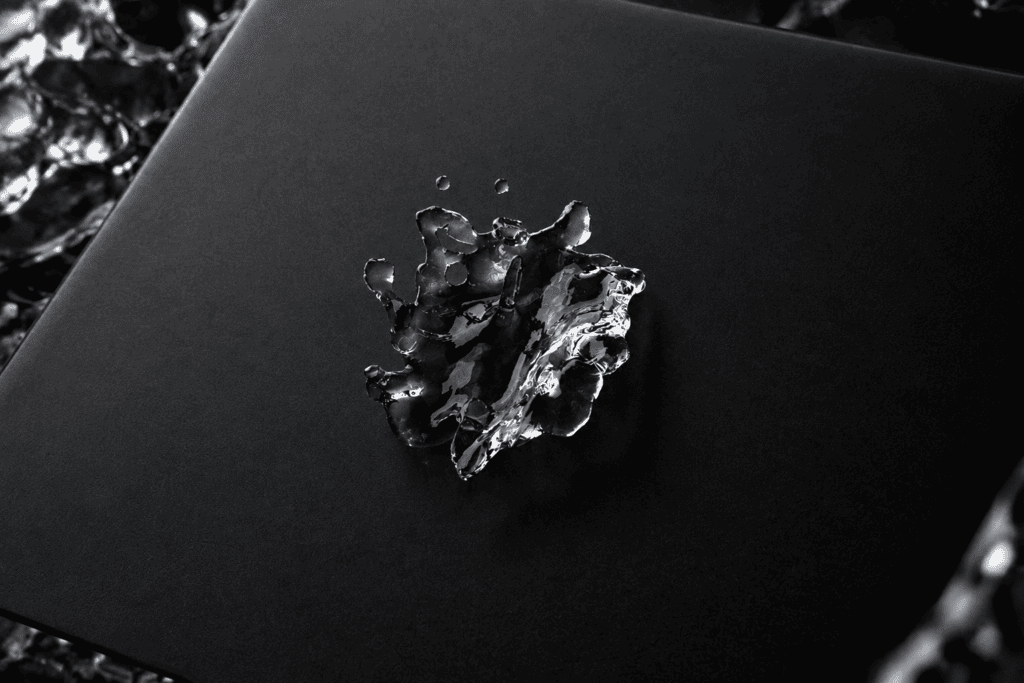
Partie 4 : Pourquoi une même serviette hygiénique procure-t-elle des sensations différentes à différentes personnes ?
Maintenant que vous comprenez les principes, vous pouvez répondre à la question centrale.
- Raison 1 — Différents matériaux pour les patins. Le PTFE (Téflon) a un coefficient de frottement d'environ 0.05–0.10 (Contre l'acier). Les patins en céramique sont plus glissants ; les patins en PTFE pur offrent un meilleur amortissement. Sur une même surface en verre, différents types de patins peuvent modifier considérablement le coefficient d'adhérence.
- Raison 2 — Poids du capteur et surface de patinage différents. Bien que le coefficient de frottement soit une propriété du matériau, le feutre La résistance dépend également de la force normale. Une souris plus lourde exerce une pression plus forte, générant ainsi une friction réelle plus importante.
- Raison 3 — Facteurs environnementaux. La transpiration, l'humidité et la température influent toutes sur l'adhérence. Une surface en verre est fraîche en hiver et peut sembler plus adhérente en été lorsque les mains transpirent.
- Raison 4 — L'âge et l'usure. Les tapis de souris en tissu s'aplatissent et accumulent la poussière avec le temps, ce qui modifie leur toucher. La texture de surface d'un tapis en verre, quant à elle, ne s'use jamais : le toucher reste pratiquement identique du premier au dernier jour. C’est l’une des principales raisons pour lesquelles de plus en plus de joueurs se tournent vers le verre.
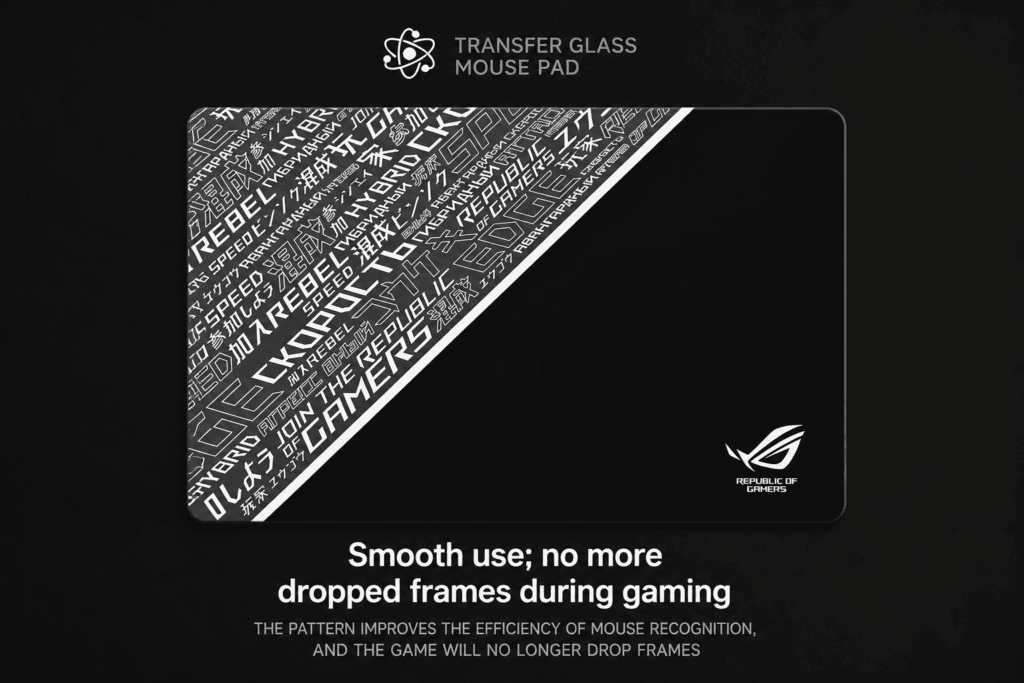
Partie 5 : Comment “ quantifier ” votre glisse — Un test que tout le monde peut faire
Vous n'avez pas de testeur de friction à la maison ? Vous pouvez tout de même obtenir une mesure approximative du glissement de vos plaquettes :
Le test d'inclinaison : Surélevez une extrémité du tapis de souris pour former une rampe. Placez la souris en haut, puis augmentez lentement l'angle jusqu'à ce que la souris commence à glisser naturellement. Notez l'angle d'inclinaison. θ.
Le principe est d'une simplicité élégante : au moment précis où la souris commence à glisser, le coefficient de frottement statique est égal à la tangente de cet angle :
μs= tanθ
Un angle plus grand signifie une friction plus élevée (plus lent/meilleure adhérence) ; un angle plus petit signifie une friction plus faible (plus rapide/glissant). Ce n'est pas précis comme en laboratoire, mais avec le même souris et mêmes patins, c'est largement suffisant pour une comparaison relativement objective et directe de différents tapis de souris.
Conclusion : Du “ je ressens ” au “ je sais ”
Glisser n'a jamais été une sensation purement subjective.
Derrière se trouve tout un ensemble de mesurable, quantifiable Les paramètres physiques — coefficient de frottement, rugosité de surface, micro-gravure et traitement du verre photovoltaïque — expliquent les différences de perception : la glisse est le résultat combiné de ces différents facteurs. Surface du tapis + patins de souris + environnement d'utilisation.
Une fois que vous aurez compris cela, la prochaine fois que vous verrez un commentaire disant “ cette tablette est super rapide ”, vous saurez qu'il faut poser une question supplémentaire : “ Avec quelle souris ? Quels patins ? Testés dans quelles conditions ? ”
Le Tapis de souris photovoltaïque en verre trempé HEK AT-BL1 Elle utilise un traitement de surface en verre photovoltaïque pour un équilibre optimal entre glisse et contrôle. Ce n'est peut-être pas la plus rapide, ni celle qui offre la meilleure adhérence, mais avec son corps ultra-fin de 3,2 mm, ses quatre tailles et ses multiples coloris, elle constitue une solution performante. mesure standardisée.
Si vous êtes curieux de connaître la glisse d'un tapis de souris en verre, Site officiel de HEK propose une gamme complète de tapis de souris en verre, du verre photovoltaïque au verre dépoli, des formats compacts aux grands formats de bureau, chaque produit étant clairement étiqueté avec les informations suivantes : matériau de surface, épaisseur et dimensions. Ainsi, la prochaine fois que quelqu’un vous demandera : “ Ce tapis est-il rapide ? ”, vous pourrez simplement répondre : “ Cela dépend de la façon dont on le mesure. ”
 English
  German
  Portuguese
  Spanish
  Italian
  Finnish
  French
  Japanese
  Korean
  Swedish