
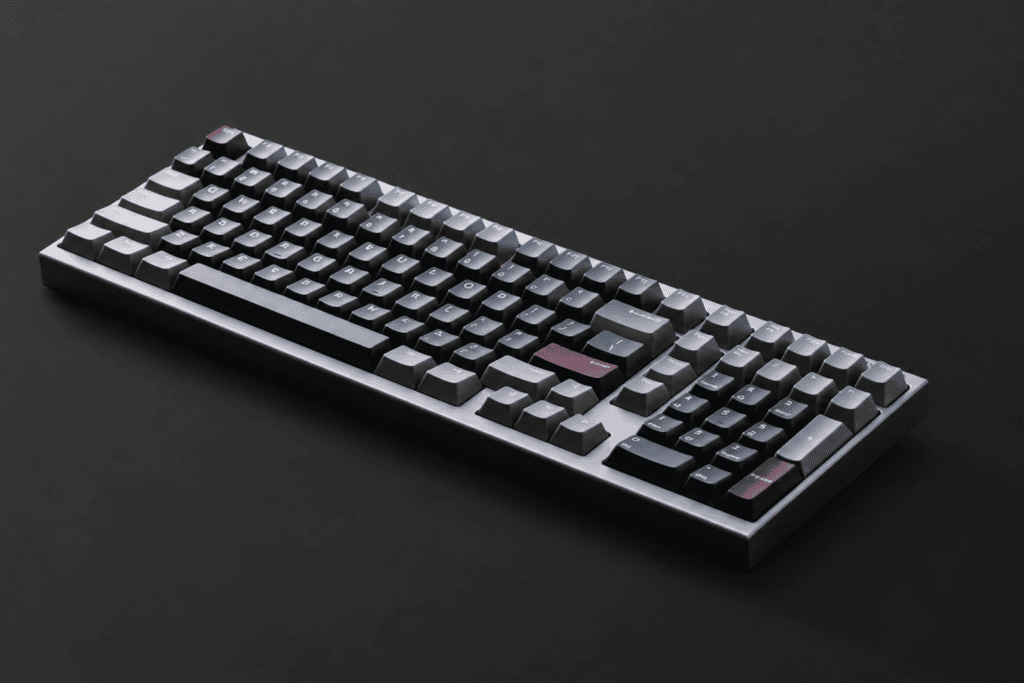
In the custom keyboard community, IQUNIX has earned the nickname “the Aluminum Factory” — not because it’s a contract manufacturer, but because it genuinely controls the entire pipeline: CNC-milled aluminum cases, PCB layout, firmware tuning, and acoustic structure design. It’s an original brand, not a rebrander.
Most of IQUNIX’s past work has lived firmly in the premium tier. Der FOX98 Und FOX99, however, are positioned as entry-level custom keyboards — and that positioning carries an interesting tension. “Entry-level” promises a lower barrier, while “custom” implies you’re expected to tinker.
So the real question isn’t “Is it good?” It’s sharper than that:
Does its entry-level positioning lower the barrier to custom keyboards — or does it lower the quality?
This review answers that across five dimensions: feel, sound, build, layout, and moddability.
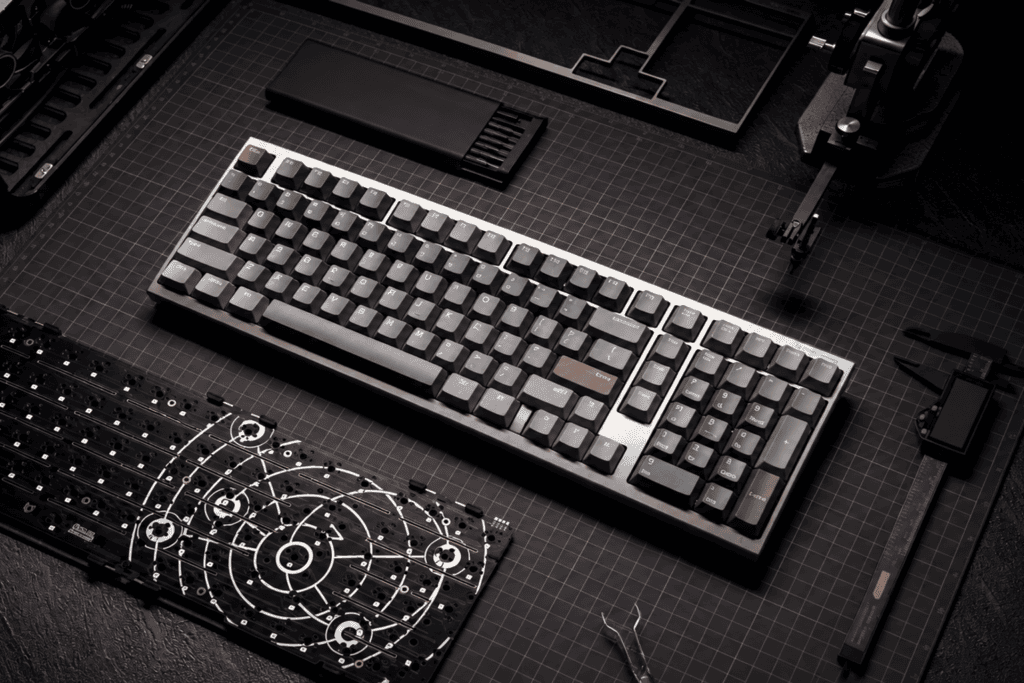
FOX98 vs FOX99: What’s Actually Different?
Many reviews blur these two boards together, but their layout differences directly shape the daily experience. Getting this right first makes everything else clearer.
The official distinction is clean:
- FOX98 → stepped (recessed) arrow-key version
- FOX99 → non-stepped arrow-key version, with three extra function keys above the arrows
Here’s the side-by-side:
| Spec | FOX98 | FOX99 |
|---|---|---|
| Arrow layout | Recessed / stepped | Independent, non-stepped |
| Length | ~376.5 mm | ~398.5 mm (~22 mm longer) |
| Extra keys | — | 3 function keys (DEL / PgUp / PgDn accessible) |
| Am besten geeignet für | Compact feel, natural blind typing | Office efficiency, dedicated navigation |
The one-line takeaway: FOX98 leans toward a compact, tactile-locating feel, while FOX99 prioritizes efficiency. Both share the same internals and manufacturing process — the only real difference is layout logic.
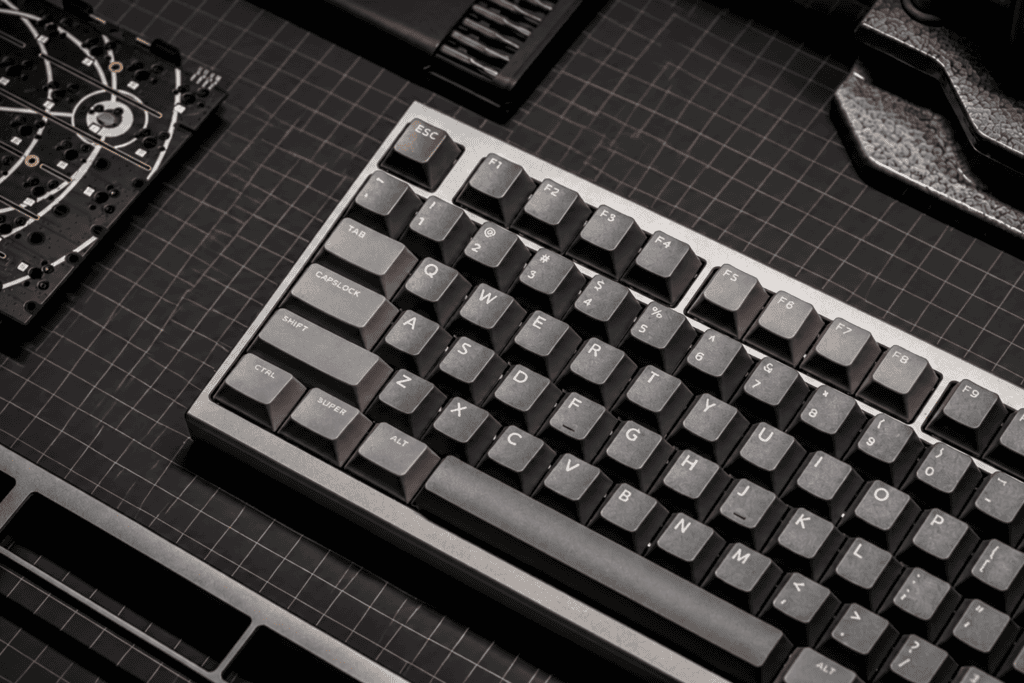
Typing Feel: Silicone-Bead Gasket + a New Internal Structure
For an entry-level custom board, feel is the single most important experience metric. This is where FOX98/FOX99 make their strongest case.
The physics of the silicone-bead gasket
Instead of the traditional poron/foam-strip gasket, the FOX series uses a silicone-bead gasket structure.
The advantage is force consistency — each silicone bead deforms by a nearly identical amount, so you don’t get the uneven feel that foam strips can produce when they compress at different rates. IQUNIX markets this as the “new internal structure,” and the core goal is balanced typing feel.
What it actually feels like
One reviewer described it as “a steady, grounded ‘thock,’ like pressing against the warm edge of an inkstone.”
That captures two qualities well:
- Steadiness — the rigidity of a full-aluminum CNC body
- Warmth — the soft bottom-out cushioning from the silicone beads
The full-aluminum weight (both boards are proper aluminum slabs) also delivers excellent desk grip and stability during fast typing.
The other side of “balanced”
Ausgewogen means it doesn’t chase any extreme:
- For users upgrading from mass-produced plastic boards → this is a massive step up.
- For players who love a soft, bouncy traditional gasket feel → the silicone-bead bottom-out may feel a little firm.
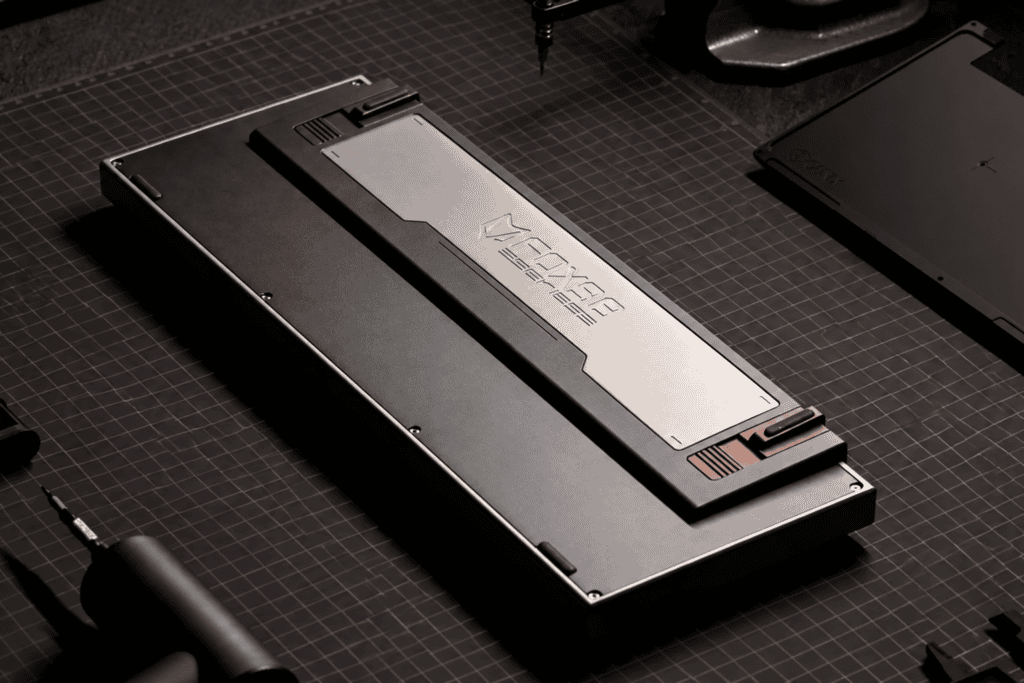
Sound: The Biggest Point of Contention
Now the honest part. Sound is where the “entry-level” label is most exposed — and it’s the one area this review won’t sugarcoat.
The Ningyu switch’s official acoustic profile
The FOX series ships with the Ningyu switch, co-developed by IQUNIX:
- PC top housing
- PC bottom housing
- LY stem
Officially, it’s tuned as a “muffled, mahjong-tile sound.” On paper, that points to a deep, solid, slightly muted signature.
Real-world feedback
Some reviewers were blunt: the Ningyu version “sounds a bit like a plastic shell,” and the acoustics are “somewhat underwhelming.”
For a full-aluminum CNC keyboard, that’s a pointed critique — because the whole advantage of an aluminum case is that it suppresses cavity resonance and gives a more “solid” acoustic foundation. If it sounds plastic-y, the internal acoustic tuning likely isn’t fully leveraging the aluminum shell.
How to read this fairly
Two plausible explanations:
- Switch-to-case mismatch — the PC top/bottom combo is inherently a bit “crisp,” and pairing that with the “deep” aluminum shell can create an unbalanced listening experience.
- Room in the foam scheme — despite a full stack (Poron PCB foam, IXPE switch pad, PET switch pad, Poron bottom-case foam), the “plastic” feedback suggests cavity control hasn’t hit the level an aluminum slab sollen reach.
The key judgment: Das ist not a “retire-your-hobby out of the box” keyboard. If sound matters deeply to you, swapping switches or adjusting the foam may be necessary — and that’s very much by design.
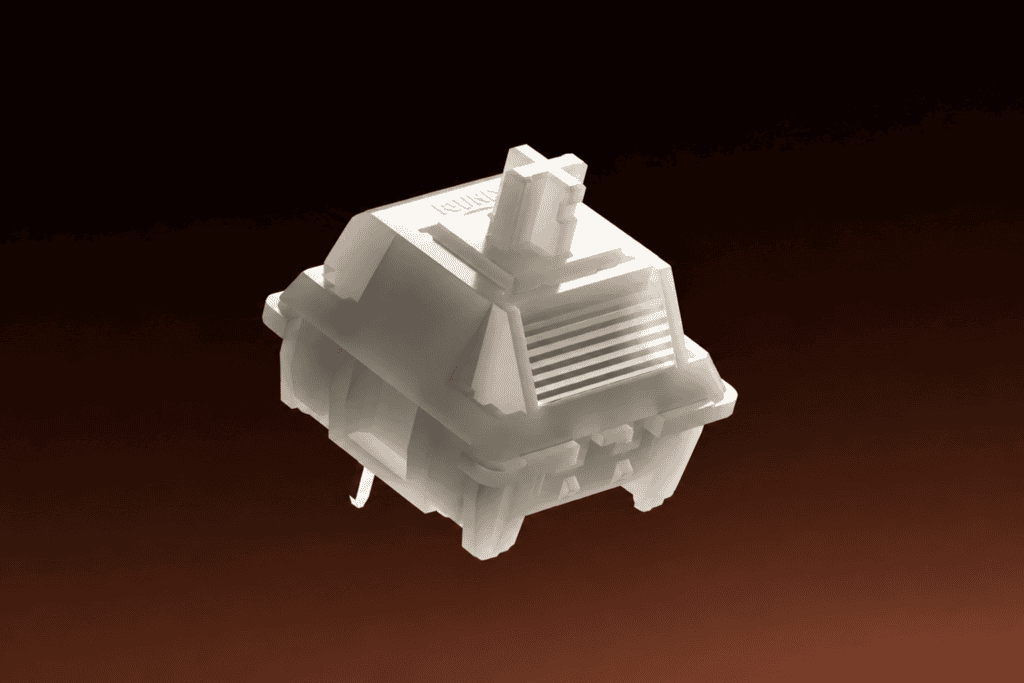
Build & Craft: 220-Grit Blasting + Chameleon Anodizing
Sound is debatable — but does the build quality hold the “Aluminum Factory” reputation? Here, the answer is a confident yes.
Core craft specs
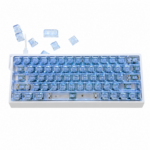
- 220-grit sandblasting + full aluminum-alloy CNC — higher grit means a finer, smoother surface texture.
- Chameleon anodizing — parts are split and anodized separately, yet the gradient transition stays remarkably consistent. That consistency is one of the hardest things to control in anodizing, and it shows IQUNIX’s real depth in aluminum processing.
- Farboptionen:
- Titanium Shadow (titanium-tone anodized)
- Dawn (chameleon anodized, limited)
- Blues (chameleon anodized, limited)
The details that give it away
One user noted the brand “nails the details — even hidden internal areas get logo treatment. It’s more refined than most custom keyboards.”
That obsession with internal completeness is a hallmark separating IQUNIX from ordinary mass-market brands.
What “entry-level” really means at the craft level
- It is nicht a watered-down custom board. 220-grit blasting, chameleon-anodizing consistency, and interior logos sit at the upper tier of mass production.
- Its “entry-level” nature shows up in acoustic tuning maturity Und internal-scheme universality — nicht in build compromises.
Moddability: VIA + Hot-Swap + Tri-Mode
A good custom board has to balance “tinker-friendly” mit “works out of the box.” The FOX series threads that needle well.
What works out of the box
- Tri-Mode-Konnektivität — wired / 2.4G / Bluetooth, standard
- Hot-swap sockets, standard
- One user described mode switching as “seamless — 2.4G for gaming, Bluetooth for documents, USB-C for quick edits.”
If you buy the assembled version, it just works.
What you can tinker with
- Full VIA support — the signature feature of a true custom board
- Hot-swap sockets make switch changes trivial: “no soldering iron, just a pair of tweezers — like changing the keyboard’s breathing rhythm.”
But tinkering has a prerequisite. If you go the barebone kit route, you’ll need to bring your own switches and keycaps. That’s exactly what makes the barebone version the enthusiast’s entry point — and if the Ningyu sound doesn’t win you over, swapping switches is the most direct fix.
You can find the IQUNIX FOX98 / FOX99 Barebone Keyboard Kit here — the ideal starting point if you want to build the sound and feel around your own switch and keycap choices.
This is the whole point of entry-level custom: it gives you the right to tinker, but you carry the cost of tinkering yourself.
Verdict: What “Entry-Level” Lowers — and What It Preserves
Back to the core question. Here’s the final call.
What entry-level lowers
- Price barrier — a far more accessible entry than IQUNIX’s past premium boards
- Tinkering barrier — VIA + hot-swap + tri-mode means beginners never touch a soldering iron or firmware flasher
- Layout-choice barrier — FOX98 and FOX99 cover both compact feel Und efficiency-first needs
What entry-level does nicht lower
- Handwerkskunst — 220-grit blasting, anodizing consistency, interior detailing: the “Aluminum Factory” foundation is intact
- Feel fundamentals — silicone-bead gasket + full aluminum CNC deliver solid bottom-out and desk stability
- Room to mod — VIA + hot-swap means you can turn a “finished product” into “your creation” anytime
So… what about the sound?
Sound is the truest expression of the entry-level positioning. The Ningyu switch’s “plastic-ish” feedback reveals that acoustic-tuning maturity is the clearest dividing line between entry and flagship.
But flip it around: that’s precisely the point of custom keyboards. If you care about sound, you have the power to swap switches, adjust foam, and tune it to your taste.
Final judgment: Der FOX98/FOX99‘s “entry-level” isn’t a downgrade in quality — it’s handing the initiative back to the user. It gives you a solid foundation (aluminum case, gasket mount, VIA, hot-swap), but on sound, it deliberately stops short of a perfect score — because it trusts that people who truly love custom keyboards will finish the job themselves.
 English
  German
  Portuguese
  Spanish
  Italian
  Finnish
  French
  Japanese
  Korean
  Swedish