
컴팩트한 키보드 레이아웃이 다시 주목받고 있는데, 그럴 만한 이유가 있습니다. 75% 키보드는 대부분의 사람들이 작은 키보드에서 아쉬워하는 기능 키와 방향 키를 제공하면서도 책상 공간을 확보하여 마우스 움직임을 더욱 자유롭게 해줍니다.
합리적인 가격에 최고의 기계식 키보드 키감을 찾고 있다면, AULA F75 키보드 이 제품은 쉽게 후보 목록에 올릴 수 있는 제품입니다. 깔끔한 디자인의 75% 레이아웃 보드로, 무선 옵션, 미디어 노브, 그리고 일반적으로 훨씬 더 높은 가격대에서나 볼 수 있는 개조 친화적인 기능들을 갖추고 있습니다.
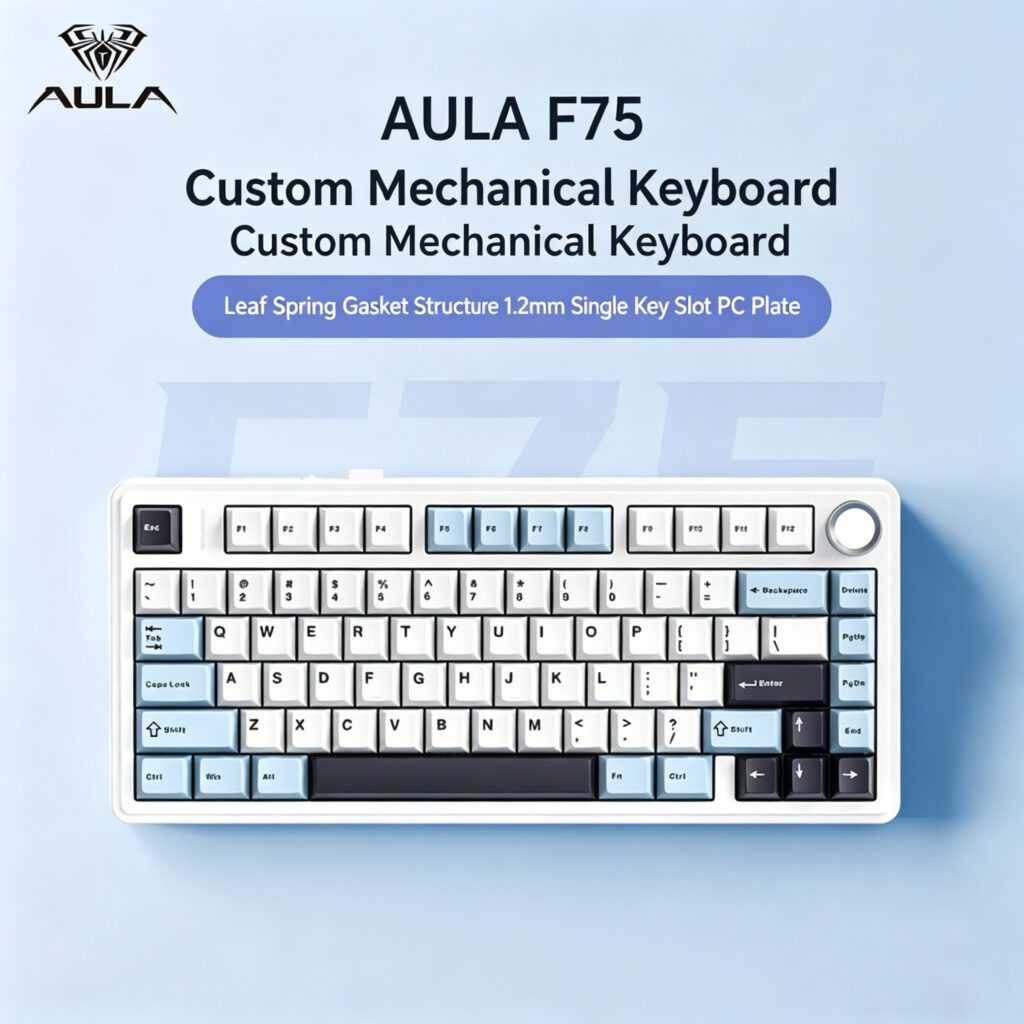
하지만 많은 사람들이 헷갈려 하는 선택지가 하나 있습니다. 바로 ANSI와 ISO입니다. AULA F75는 ANSI, ISO-DE, ISO-ES 세 가지 규격으로 판매됩니다. 어떤 규격을 선택할지는 사양보다는 사용자의 타이핑 습관, 일상적으로 사용하는 언어, 그리고 구매할 키캡 종류에 따라 달라집니다.
메모: “"ISO"는 여러 지역별 변형을 지칭할 수 있습니다. 이 글에서는 당사 제품 페이지에서 제공되는 ISO-DE 및 ISO-ES 버전(ANSI 포함)을 비교합니다.
핵심 요약: 키보드 레이아웃 선택은 키보드 외관뿐만 아니라 손가락 근육 기억, 키캡 호환성, 그리고 특정 언어 문자를 얼마나 쉽게 입력할 수 있는지에 영향을 미칩니다.
75% 키보드 레이아웃이란 무엇인가요?
75% 키보드는 많은 사용자에게 "최적의 크기"를 제공합니다. 실제로 사용하는 키(기능 키(F1~F12), 화살표 키, 작은 탐색 키)는 그대로 유지하면서 부피가 큰 숫자 키패드를 제거하고 키 간격을 좁혀 너비를 줄였습니다.
풀사이즈 키보드와 비교했을 때, 75% 키보드는 다음과 같은 뚜렷한 장점을 제공합니다.
- 책상 공간을 절약하세요 중요한 키를 숨겨진 기능 계층으로 옮기지 않고도 가능합니다.
- 전용 방향키를 유지하세요 편집, 게임 및 일반적인 탐색에 사용합니다.
- 인체공학적 설계를 개선합니다 마우스를 어깨너비에 가깝게 위치시키면 됩니다.
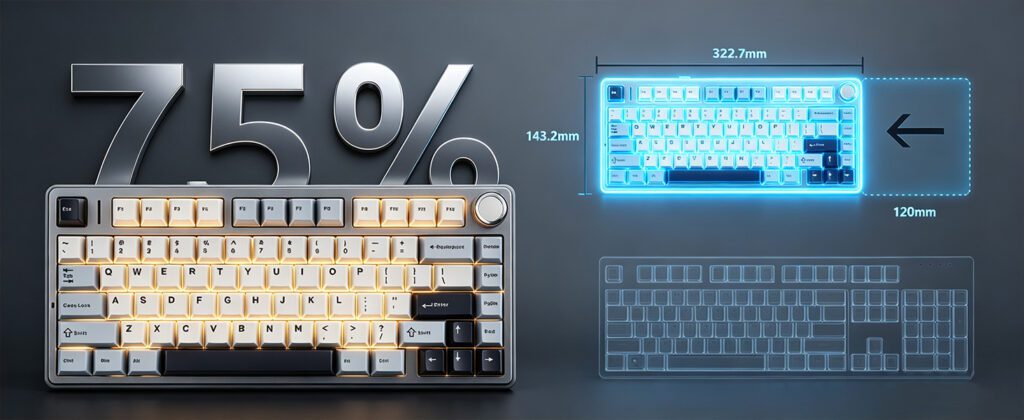
60% 보드의 복잡한 학습 곡선 없이 소형 레이아웃의 장점을 원한다면 75%가 가장 손쉬운 업그레이드 경로인 경우가 많습니다. (더 자세한 사이즈 정보는 다음을 참조하세요.) 키보드 컴퍼니의 기계식 키보드 가이드 사이즈).
ANSI와 ISO: 실제로 중요한 차이점
용어들을 간단하게 정의해 봅시다:
- ANSI: 미국에서 일반적으로 사용되는 건물 배치 표준.
- ISO: 유럽에서 일반적으로 사용되는 물리적 레이아웃 표준.
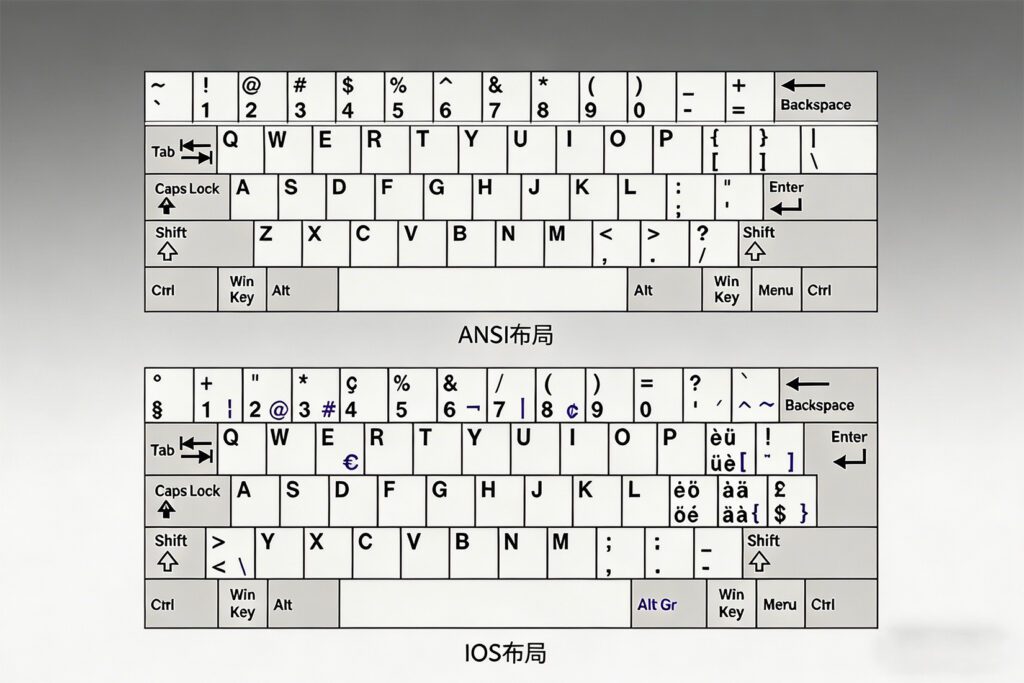
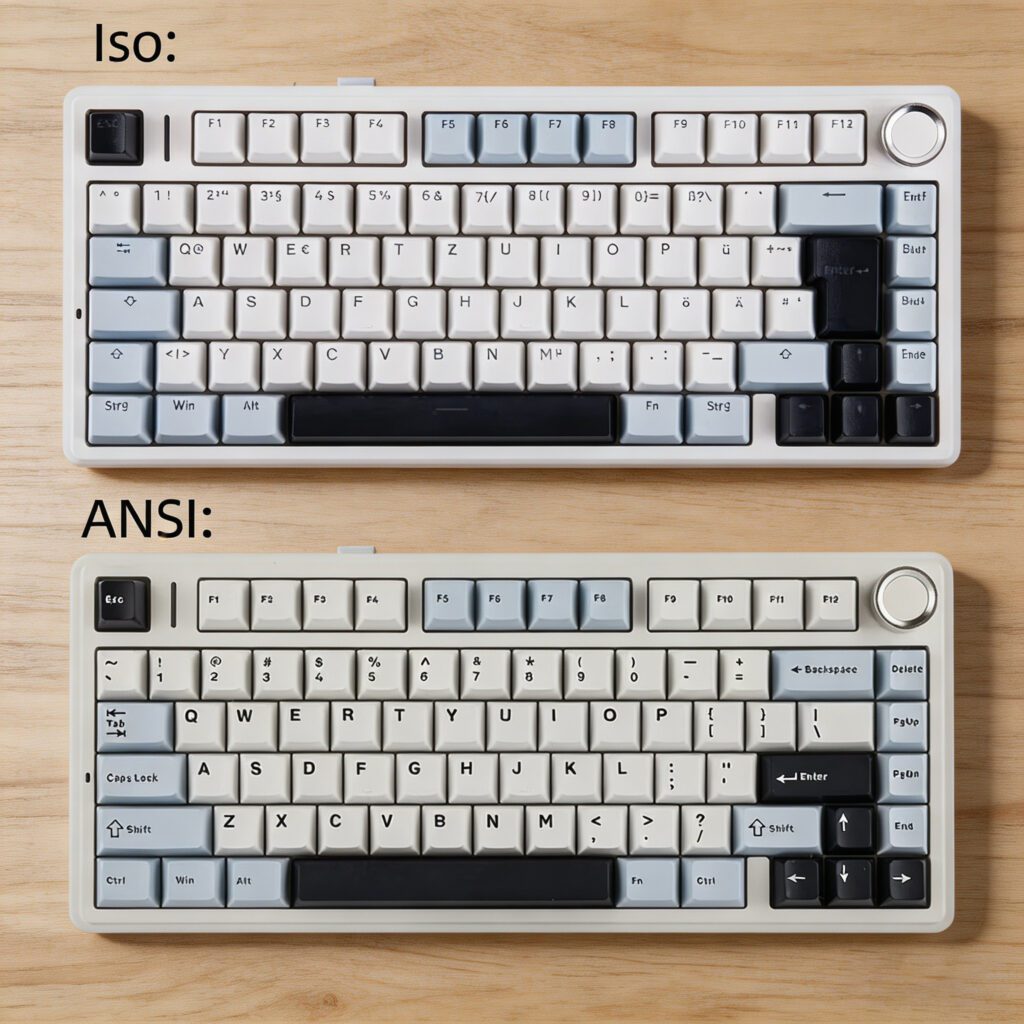
표준 ANSI 레이아웃은 고전적인 방식입니다. 쿼티 키보드 대부분의 사람들이 알고 있듯이 ISO는 지역 언어에 맞춰 조정됩니다. 예를 들어 ISO-ES는 QWERTY 키보드 배열을 유지하는 반면 ISO-DE 변형은 독일어를 사용합니다. 쿼츠 키보드 (독일어에 맞게 'Y'와 'Z' 키의 위치가 바뀌어 있습니다.).
하지만 상단에 인쇄된 글자 외에도 건반의 물리적인 모양이 다릅니다. 바로 알아챌 수 있는 세 가지 주요 차이점은 다음과 같습니다.
1. 엔터 키 모양
- ANSI: 가로로 넓은 직사각형.
- ISO: 더 높고 거꾸로 된 "L"자 모양.
- 영향: 이렇게 하면 새끼손가락이 닿는 위치와 엔터 키 주변의 키 배열 방식이 바뀝니다.
2. 왼쪽 Shift 키 크기 (및 "추가 키")
- ANSI: 길게 누른 왼쪽 Shift 키.
- ISO: 더 짧은 왼쪽 Shift 키와 그 바로 옆에 추가 키가 있습니다.
- 영향: 그 추가 키는 특정 유럽 언어 변형에 ISO 레이아웃이 필수적인 주요 이유 중 하나입니다.
3. 역슬래시 배치 및 기호 접근 ISO 규격에 따라 일부 기호의 위치가 ANSI 규격과 다릅니다. 또한 ISO 레이아웃에서는 AltGr(오른쪽 Alt 키)을 사용하여 세 번째 문자 레이어에 접근하는 경우가 많습니다.
결론: ISO-DE 또는 ISO-ES 자판으로 오랫동안 타이핑해 왔다면, 해당 자판 레이아웃이 익숙하게 느껴질 것입니다. 하지만 ANSI 자판으로 타이핑해 왔다면, ISO 자판으로 전환할 때 손가락 근육 기억이 적응될 때까지 속도가 느려질 수 있습니다.
AULA F75 집중 분석: 주요 특징
레이아웃을 정하는 것이 첫 번째 결정 사항이지만, 아울라 F75 이 제품은 훨씬 더 많은 장점을 제공합니다. 컴팩트하고 마니아 친화적인 보드로, 삶의 질 향상에 중요한 모든 요소를 갖추고 있습니다.
3가지 모드 연결: 진정한 무선 자유 다양한 기기에서 사용할 수 있는 무선 기계식 키보드를 원한다면, F75는 세 가지 연결 모드를 제공하여 그 요구를 충족시켜 줍니다.
- 블루투스: 노트북과 태블릿처럼 여러 기기를 페어링하고 원활하게 전환하는 데 적합합니다.
- 2.4GHz 무선: 지연 시간이 짧고 반응성이 뛰어나 무선 게이밍 키보드 환경에 이상적입니다.
- USB-C 유선: 지연 없는 직접적인 케이블 연결을 선호하거나 충전이 필요할 때 사용하세요.
핫스왑 가능 PCB: 납땜 없이 맞춤 설정 가능 이 제품의 가장 큰 장점 중 하나는 대부분의 3핀 및 5핀 스위치를 지원하는 핫스왑 방식의 기계식 키보드 PCB입니다. 덕분에 납땜 인두를 사용하지 않고도 다양한 기계식 키보드 스위치를 손쉽게 시험해 볼 수 있습니다.
- 부드러운 속도가 마음에 듭니다. 선형 스위치그것들을 간직하세요.
- 타이핑 피드백을 더 원하시나요? 다른 것으로 바꿔보세요. 촉각 스위치 세트.
- 클래식한 "체리 키보드"의 느낌을 찾고 계신가요? 그 느낌에 맞는 스위치를 쉽게 테스트해 볼 수 있습니다.
가스켓 마운트 및 댐핑: 프리미엄 사운드 및 주행감 F75는 가스켓 마운트 디자인과 여러 겹의 내부 댐핑 레이어를 특징으로 합니다. 즉, 이 보드는 거친 바텀아웃 소음을 줄이고 제어된 만족스러운 "탁" 소리를 제공하도록 설계되었습니다. 이는 많은 보급형 보드들이 구현하기 어려운 고급 음향 특성입니다.
AULA F75가 "가성비 최고의 기계식 키보드"로 선정된 이유
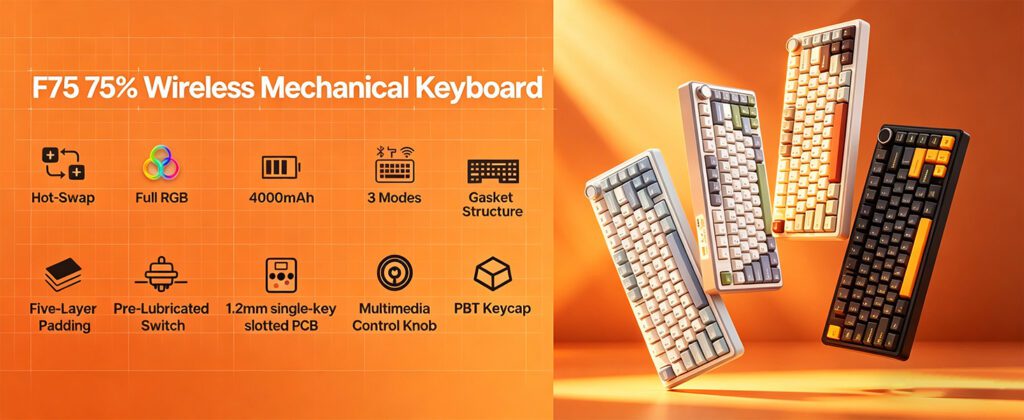
가격 대비 기능을 평가할 때, F75는 다음과 같은 기능들을 포함하고 있기 때문에 보급형 모델 부문에서 꾸준히 높은 순위를 차지합니다.
- 컴팩트한 미디어 노브가 있는 75% 레이아웃
- 3가지 모드 연결 (유선/2.4G/블루투스)
- 핫스왑 지원 간편한 스위치 업그레이드를 위해
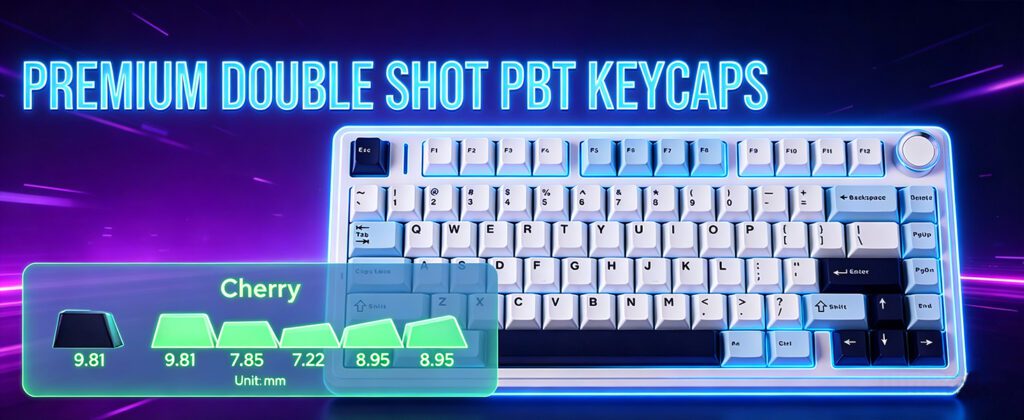
- 튼튼한 PBT 키캡
- 프리미엄 가스켓 장착형 빌드 뛰어난 음질을 위해 설계되었습니다
나중에 키보드를 개조할 계획이라면, 처음부터 F75와 같은 견고한 "기본" 보드를 구입하는 것이 전체 시스템을 두 번 업그레이드하는 것보다 훨씬 비용 효율적입니다.
어떤 레이아웃이 당신에게 적합할까요?
ANSI AULA F75
- 장점:
- 더 쉬운 키캡 쇼핑: ANSI는 맞춤형 기계식 키보드 시장에서 지배적인 표준입니다.
- 호환성 향상: 시간이 지남에 따라 구축하고 업그레이드하기에 이상적입니다.
- 정통: 표준 기호 배치에 익숙한 미국 타이피스트와 프로그래머에게 적합합니다.
- 단점:
- 독일이나 스페인식 레이아웃에 익숙한 운전자라면, 익숙하지 않은 조작 방식 때문에 불편함을 느낄 수 있습니다.
- 다음과 같은 경우에 가장 적합합니다: 미국 거주 사용자, 프로그래머 및 키캡 커스터마이징을 광범위하게 계획하는 모든 사용자.
ISO-DE 및 ISO-ES AULA F75 참고: 이것들은 단순히 "다른 엔터 키"가 아니라, 특정 언어의 타이핑 습관에 맞춰 설계된 것입니다.
- 장점:
- 자연스러운 느낌: 이미 독일어를 사용하고 있는 사용자에게 적합합니다. 쿼츠 키보드 (ISO-DE) 또는 스페인어 쿼티 키보드 일상적인 업무 흐름에 대한 ISO-ES 표준을 준수합니다.
- 언어별: 특수 문자 및 기호 입력 시 정렬이 개선되었습니다.
- 매끄러운 전환: 사무실/업무용 키보드가 이미 ISO 규격이라면 마찰이 줄어듭니다.
- 단점:
- 맞춤형 키캡 세트는 ANSI 세트보다 구하기 어렵고 가격도 더 비싼 경우가 많습니다.
- 다음과 같은 경우에 가장 적합합니다: ISO-DE/ISO-ES 표준으로 학습하고 근육 기억을 유지하고자 하는 다국어 사용자 및 타자수.
최종 결론: 어떤 AULA F75를 선택해야 할까요?
아직 결정을 못 내리셨다면 다음 두 가지 간단한 규칙을 따르세요.
- ANSI를 선택하세요 가장 폭넓은 키캡 호환성을 원하고 평생 ANSI 자판으로 타이핑해 왔다면 이 제품을 추천합니다.
- ISO-DE 또는 ISO-ES를 선택하세요. 이미 손이 익숙해져 있고, 다른 Enter/Shift 키 배열에 맞춰 타이핑 습관을 바꾸고 싶지 않다면 그렇게 해도 됩니다.
어떤 방식을 선택하든, 핵심적인 매력은 동일합니다. 컴팩트하고 기능이 풍부한 75% 키보드는 무선 연결의 유연성과 핫스왑 기능을 통해 사용자의 타이핑 경험을 시간에 따라 발전시킬 수 있도록 해줍니다.
시스템 업그레이드할 준비가 되셨나요? AULA F75(ANSI vs ISO)를 지금 바로 저희 제품 페이지에서 구매하세요.
 English
  German
  Portuguese
  Spanish
  Italian
  Finnish
  French
  Japanese
  Korean
  Swedish